
November 2025
Complimentary Consultation
In our continuing quest to introduce more people (including children) to the
benefits of chiropractic care we are offering a complimentary consultation to see if chiropractic can help. Call the office for an appointment and bring in this page in order to receive your FREE consultation. Call now: 856-778-8688
Enjoy the benefits of chiropractic – the largest natural, drug-free, surgery-free, expressive healthcare system in the world.
More families are discovering that periodic chiropractic checkups and adjustments promote health and healing without the need for drugs or dangerous medical treatments.
Increasingly, people are turning away from symptom-based treatment and opting for natural ways to achieve and maintain health.
Are you tired of taking drugs and the medical runaround? Welcome to the world of chiropractic – discover how natural health can enhance your well-being.
This Issue’s Table of Contents
- How to Know if Your Child Needs an Adjustment
- How Your Feet Affect Your Spine (and Vice Versa)
- Did you know?
- Why You Might Feel Sore After an Adjustment (And Why That’s Okay)
- Fats That Heal, Fats That Harm
- Researching Chiropractic
- Humor
- References
How to Know if Your Child Needs an Adjustment
Kids are resilient, but their growing bodies go through a lot. From tumbles on the playground to hours slouched over a tablet, small stresses can add up and affect posture, coordination, and even behavior. Chiropractic care helps keep a child’s nervous system working smoothly so their body can grow, move, and adapt as it should (1).
Signs You Might Notice
Parents often spot clues before children complain. Uneven shoulders, one pant leg always seeming shorter, or a head that tilts to one side may signal spinal imbalance. These small shifts can affect how the nervous system communicates with muscles and organs. Over time, that can influence everything from balance to digestion.
Recurring ear infections are another red flag. The nerves that control the muscles around the ear and throat can be affected by spinal misalignment, making it harder for fluid to drain correctly. Many parents notice fewer infections once nerve interference is reduced through gentle adjustments.
Sleep trouble and bedwetting sometimes connect to the same issue. When the spine or pelvis isn’t moving well, nerve messages to the bladder or sleep centers in the brain can be disrupted. A balanced spine helps the body find its natural rhythm again.
Frequent falls, clumsiness, or slow coordination may point to problems with the way the brain and body are communicating. Chiropractic adjustments help restore that connection so kids can move with confidence and control.
Supporting Healthy Growth
Every child develops differently, but their nervous system controls how every cell, tissue, and organ functions. Keeping that system clear and balanced helps the body do what it’s designed to do — heal, grow, and thrive. Adjustments are gentle, precise, and tailored for a child’s unique needs.
Many parents bring their kids in not because something is “wrong,” but to help them stay well. Just as they schedule dental checkups to keep teeth healthy, spinal checkups can support posture, immune function, and overall development (1). A chiropractor trained in pediatric care can spot subtle patterns before they become bigger problems.
Regular adjustments can help a child’s body handle the bumps and stresses of life, whether it’s carrying a heavy backpack, sitting through long school days, or recovering from a fall. When the spine is aligned, the body communicates better, energy improves, and children often feel more comfortable in their own skin.
How Your Feet Affect Your Spine (and Vice Versa)
Most people think of their feet only when they hurt. But those two structures at the bottom of the body are the foundation for everything above them. Every step, shift, and stance sends messages through the legs, hips, and spine. If that foundation is uneven, the entire structure compensates.
The Chain Reaction from the Ground Up
When the arches of the feet drop or collapse, the body loses its natural shock absorbers. That changes how the knees rotate, how the hips move, and how the spine aligns. A fallen arch on one side can make a leg appear shorter, tipping the pelvis and forcing the spine to lean or twist to stay balanced. Over time, this uneven pressure can irritate joints, tighten muscles, and wear down the body’s alignment system. Chiropractors often see these patterns in patients with persistent low back pain or recurring neck tension that never seems to stay corrected.
Foot scanners or posture exams can reveal these imbalances. Many chiropractors use custom orthotics or structural corrections to restore symmetry, allowing the body to stand, walk, and move with less stress. When the feet are supported, the spine often holds its adjustments longer, and muscles relax more easily.
The Reverse Effect—From the Spine Down
The influence also runs the other way. If the spine is misaligned or one hip is higher, the weight distribution across the feet changes. People with chronic low back or sacroiliac issues often show uneven shoe wear—one heel flattened, the other barely touched. These subtle differences can make walking less efficient and contribute to knee or ankle pain over time. Correcting spinal balance helps restore proper motion through the hips and legs, allowing the feet to function the way nature intended.
Healthy alignment is a two-way street. When chiropractors check posture from head to toe, they can see how each part of the structure relates to the next. That’s why it’s common to check foot balance during spinal care. Supporting one without addressing the other only fixes part of the picture.
The simple act of standing can reveal so much. Feet turned out, uneven shoulders, or one pant leg hanging lower can all point to a chain reaction that starts—or ends—at the feet. The connection between the arches and the spine isn’t just theoretical. It’s visible, measurable, and correctable when both ends of the body are checked and supported. [2]
Did you know?
- November used to be the ninth month! Its name comes from “novem,” Latin for nine — a leftover from when the Roman calendar started in March.
- It’s the month of change — trees shed their last leaves, and the world shifts from fiery autumn to cozy winter.
- Two powerful zodiac signs rule November: mysterious Scorpio and adventurous Sagittarius — intensity meets wanderlust.
- Sesame Street premiered on November 10, 1969, teaching kindness, letters, and life lessons for generations.
Why You Might Feel Sore After an Adjustment (And Why That’s Okay)
Some people walk out of a chiropractic visit feeling light and free, while others notice a bit of soreness later that day or the next. It can feel like you worked out muscles you didn’t know you had because, in a way, you did. When your body begins to move and align differently, muscles, ligaments, and joints that have been tense or stuck start waking up. They may protest a little as they adjust to their new position and function.
That mild soreness is usually a sign that your body is responding. The adjustment didn’t “cause” pain; it opened up motion and communication where things had been restricted. Think of it like stretching after sitting too long. The muscles and tissues are being asked to work in new ways again, and that can stir up some temporary sensitivity [3].
The Body’s Healing Response
An adjustment doesn’t just affect the spine. It influences how the brain and nervous system talk to the rest of the body. When that communication improves, your system starts clearing out old patterns of stress and tension. That can trigger what chiropractors call “retracing.”
Retracing happens when the body revisits areas of past strain, injury, or imbalance on its way to healing. Old sensations can reappear briefly — a stiff shoulder that loosens, a tender hip that starts to move better but feels sore for a day or two. It’s not regression; it’s release. The nervous system is reorganizing itself, shifting from old protective patterns into new, healthier ones.
It’s similar to what happens after a deep massage or physical training. The tissues and joints are being reminded how to move, and the nervous system is recalibrating. That recalibration can stir up sensations as your body integrates the change.
A Positive Sign of Adaptation
The soreness that shows up after an adjustment typically fades within 24 to 48 hours. Staying hydrated, doing light stretching, and walking can help. Most importantly, it’s a reminder that your body is alive, responsive, and adapting. The goal of chiropractic care isn’t just to “feel better” in the moment it’s to help the body work better, so it can heal more efficiently and stay that way.
When soreness appears, it’s often a message that something inside you is shifting for the better. It’s the body saying, “I’m working on it.”
Fats That Heal, Fats That Harm
For decades, people were told to fear fat. Margarine replaced butter, vegetable oils were called “heart-healthy,” and eggs were pushed aside. Yet many are discovering that the old advice led to more inflammation and poorer health. The human body depends on fat for cell structure, hormones, and brain function. What matters is the kind of fat eaten and how it’s balanced.
The Balance Between Omega-3 and Omega-6
Omega-3 and omega-6 fats are essential, meaning the body cannot make them. Both are needed, but the modern diet skews heavily toward omega-6 because seed oils, such as corn, soybean, safflower, and sunflower, are everywhere. Too much omega-6 and too little omega-3 encourage inflammation, joint pain, and even mood swings. Traditional diets once kept these fats closer to a 1:1 ratio, yet today they can reach 20:1 or higher. Replacing processed seed oils with fish, grass-fed meat, and flax can restore balance and calm the body’s chemistry [4].
The Real Villains: Trans Fats and Seed Oils
Trans fats were created to make food last longer on the shelf, not to make people healthier. They stiffen cell membranes, disrupt cholesterol balance, and increase the risk of heart disease. Even “partially hydrogenated” oils have lingering effects long after being phased out. Modern seed oils, though marketed as safe, are easily damaged by heat and oxidation during processing and cooking. The result is a chemical soup that the body struggles to use correctly.
Nature’s Fats
Butter from grass-fed cows, extra virgin olive oil, and coconut oil behave very differently in the body. These natural fats are stable when heated and rich in nutrients that support metabolism and brain health. Olive oil adds protective antioxidants, coconut oil resists oxidation, and butter carries fat-soluble vitamins that the body readily absorbs. People who return to these traditional fats often notice steadier energy, clearer thinking, and improved digestion.
Food fads come and go, yet human biology hasn’t changed. The body recognizes real food and thrives on the fats that have nourished generations.
Researching Chiropractic
+Chiropractic clinical case histories have been a regular feature of our patient newsletter since its inception. There seems to be no limit to the health problems that respond positively to chiropractic care. How many people suffering, reliant on medication and drugs, and facing a life of limitation could be helped by chiropractic care?
Probably most of them.
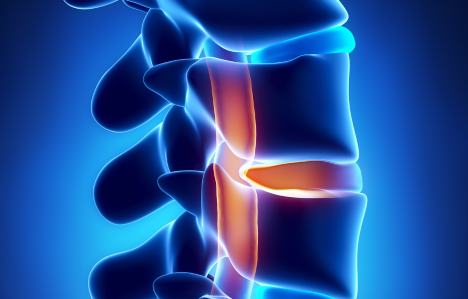
A 60-year-old male presented with severe low back and left leg pain. MRI revealed a “massive” lumbar disc herniation at L3-4 (10 mm anterior-posterior dimension with 19 mm caudal migration of disc material). He underwent a comprehensive chiropractic care plan which included spinal manipulative therapy and other conservative measures. After six months of care, a repeat MRI showed reduction of the herniation from 10 mm to 4.7 mm, alongside marked symptomatic relief.[5]
A female patient, three years post-motor vehicle accident, had widespread musculoskeletal pain and low functional capacity. Chiropractic management in a community health center included spinal adjustments and multimodal rehabilitation. After treatment, the patient reported reductions in pain intensity and improvements in functional capacity and quality of life.[6]
Humor
“Politics is the art of looking for trouble, finding it everywhere, diagnosing it incorrectly, and applying the wrong remedies.” — Groucho Marx
“If voting made any difference, they wouldn’t let us do it.” — Mark Twain
“Diplomacy is the art of saying ‘Nice doggie’ until you can find a rock.” — Will Rogers
“Politics is supposed to be the second-oldest profession. I have come to realize it bears a very close resemblance to the first.” — Ronald Reagan
Bye
Please write or stop by and give us your feedback. Are there any subjects you’d like to hear about? Anything you dislike? Feedback is always important to us. And, of course, if you’d like hard copies of this newsletter, stop by the office, and we’ll give you some for your friends and relatives. If they have an email, have them write to us, and we’ll add them to our subscriber list.
References
- American Chiropractic Association. “Chiropractic Care for Children.” acatoday.org, 2023.
- Rothbart BA. “Relationship between abnormal foot motion and chronic low back pain.” Journal of Bodywork and Movement Therapies. 2008;12(1):55-63
- American Chiropractic Association. “After Your Adjustment: What to Expect.” ACA Today, 2023.
- Simopoulos, A.P. “The Importance of the Omega-6/Omega-3 Fatty Acid Ratio in Cardiovascular Disease and Other Chronic Diseases.” Experimental Biology and Medicine, 2008.
- Rodewald C, Steward T, Fridinger S. NON-SURGICAL CHIROPRACTIC MANAGEMENT OF A MASSIVE LUMBAR DISC EXTRUSION: A CASE REPORT. JCC. 2025;8(1):68-74.
- Chiropractic Management of a Patient With Chronic Pain in a … Case Report. Sci Direct. 2017. sciencedirect.com/science/article/abs/pii/S1556370717300639
